

Learning outdoors: nature as a classroom
- Author
- SEB Education
- Category
- School Life
- Reading time
- 5 min read
Share


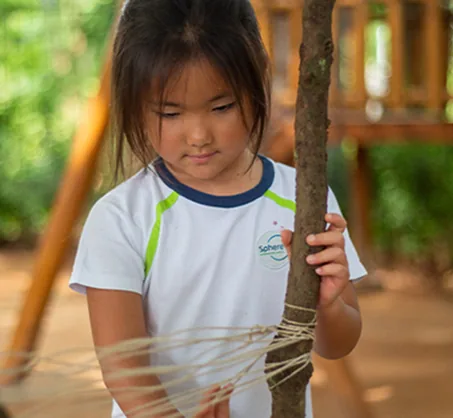
Some topics make much more sense outside the classroom. A plant’s life cycle, how a shadow changes during the day and the variety of insects in the garden are examples of subjects children understand better when they can see, touch and measure them.
That is why more and more schools include outdoor spaces in lesson planning — not as extended break time, but as a learning environment with clear goals.
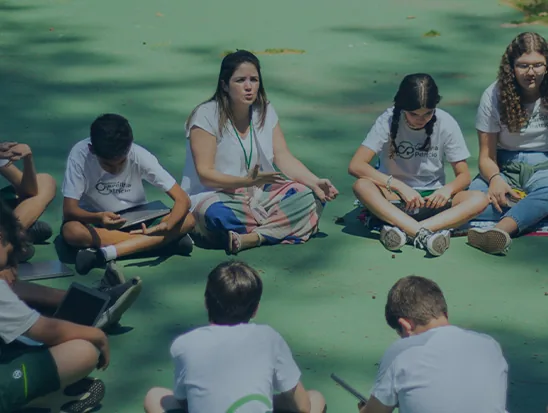
Benefits beyond the content
Studies link regular contact with nature to better concentration, less stress and more willingness to be physically active. For young children, running, climbing and exploring also develop motor coordination and a sense of risk.
Outdoors, curiosity tends to lead the lesson. An ant carrying a leaf can become the starting point for talking about teamwork, food, or measuring weight and size.
How families can continue at home
You do not need to live near a forest. A square, a plant pot on the balcony or a walk in the park can spark good questions: why do leaves change colour? Where does rainwater go? What matters is observing together and letting the child form their own hypotheses.