

Maker labs and the science curriculum
- Author
- SEB Education
- Category
- Technology and Learning
- Reading time
- 6 min read
Share


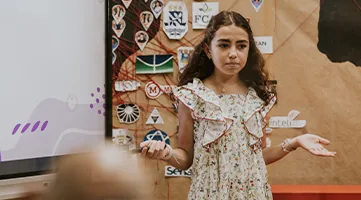
The lesson starts with a question, not a definition: how can we keep the school garden watered over the weekend? From there, the class investigates evaporation, measures soil moisture, sketches solutions and builds an irrigation system with bottles, hoses and a simple sensor.
Mistakes are part of the method
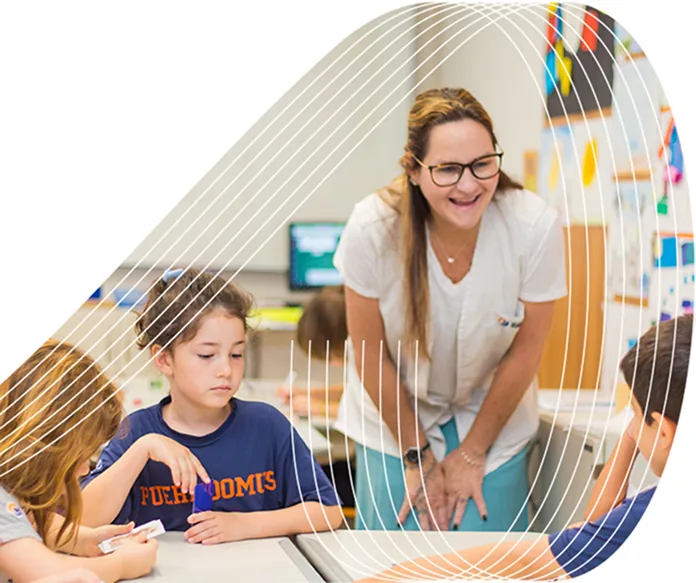
In the maker lab, the first prototype almost never works — and that is the point. When water leaks or the sensor does not respond, the class goes back to its hypothesis, tests again and records what it learned. It is the scientific method lived in practice, not just described in a textbook.
This cycle of trial and adjustment builds a healthier relationship with mistakes. Students learn that not getting it right the first time is not failure: it is information.
When the prototype fails, the lesson gets better. That is when they start asking why — and that is the question I want them to take into life.

Rafael Moura
Science teacher
Part of the curriculum, not alongside it
The maker space is not an extra activity for after class. Projects are planned together with the science, mathematics and technology content of each year, and assessment looks at the process — notes, hypotheses and collaboration — not only the final result.