

Bilingual Education
Bilingual immersion: what changes in the classroom
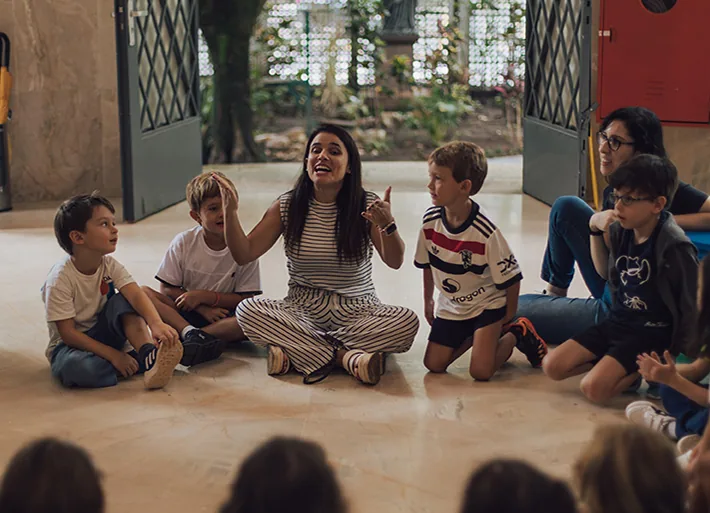
When the second language stops being a subject and becomes the medium through which every other subject is taught, what changes is not the English class: it is the whole school.
Bilingual Education
When the second language stops being a subject and becomes the medium through which every other subject is taught, what changes is not the English class: it is the whole school.
Bilingual Education
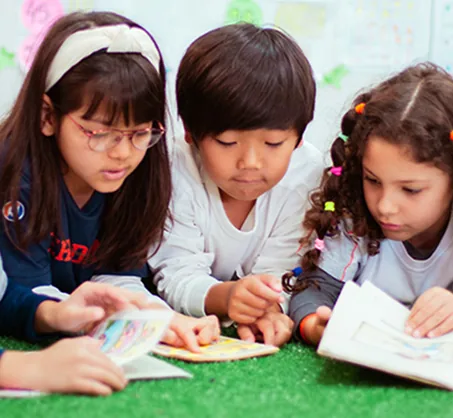
Research suggests that switching between two languages trains attention and working memory. What does that mean for children who learn from an early age?
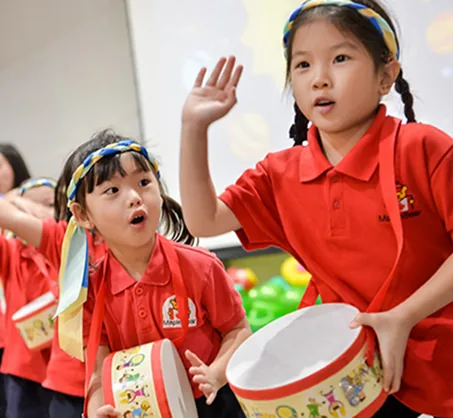
Playing an instrument, painting or staging a play builds skills that show up in every subject — from attentive listening to the courage to present an idea.
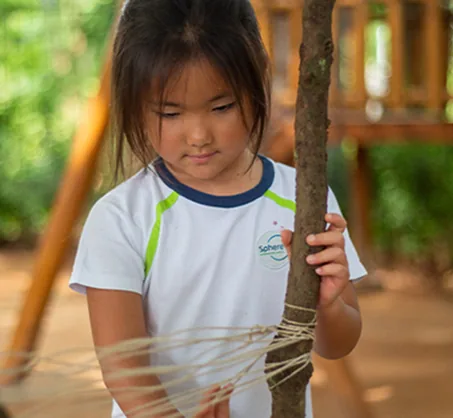
Watching insects, measuring a tree’s shadow or tending a vegetable garden: outdoor activities make content concrete and are good for body and mind.
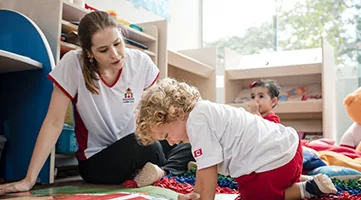
Changing schools shakes up the whole family’s routine. A few conversations before the first day make settling in much easier.
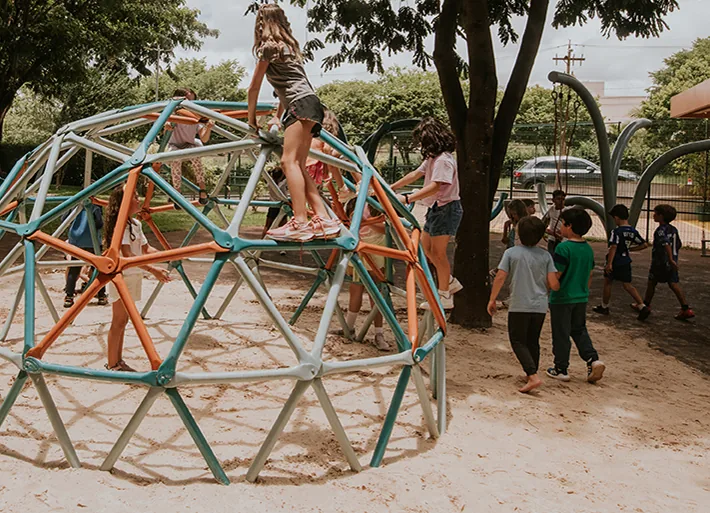
A week of games, organised cheering squads and team challenges showed that sport at school teaches much more than rules.
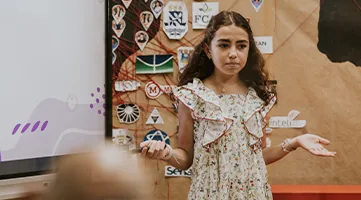
In the maker lab, science class starts with a real problem and ends with a prototype — and mistakes become part of the method.
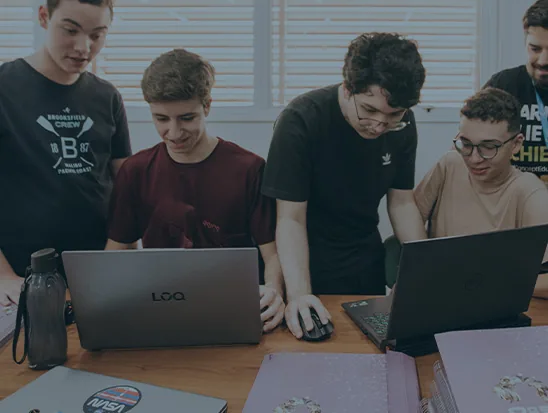
Artificial intelligence tools can help teachers see, in real time, where each student is getting stuck — as long as the decision remains a human one.
Research suggests that switching between two languages trains attention and working memory. What does that mean for children who learn from an early age?
When the second language stops being a subject and becomes the medium through which every other subject is taught, what changes is not the English class: it is the whole school.